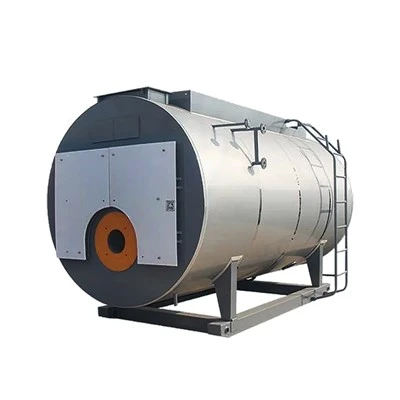

The Skid Mounted LNG Refueling Station integrates LNG storage, cryogenic pumping, metering, dispensing, piping, valves, instrumentation and control systems on a compact skid. It is designed for LNG vehicle fueling stations, fleet depots and distributed energy applications where fast installation, controlled site work and modular expansion are required.
Typical Technical Specifications
|
Item |
Typical / Configurable Range |
|
LNG Storage Capacity |
30–150 m³ or project-specific |
|
LNG Pump Type |
Submerged or external cryogenic pump |
|
Refueling Flow Rate |
Typically 60–160 L/min |
|
LNG Dispenser |
Single or dual hose configuration |
|
Metering |
Mass flow metering system |
|
Operating Temperature |
Suitable for LNG cryogenic service |
|
Control System |
PLC + HMI |
|
Emergency Shutdown |
Integrated ESD system |
|
Installation |
Factory-assembled skid |
|
Power Supply |
380–480 V, 3-phase, 50/60 Hz, configurable |
|
Communication |
Modbus or other protocols as required |
|
Piping |
Cryogenic insulated piping |
|
Skid Material |
Carbon steel structure with corrosion-protection treatment |
|
Configuration |
Standard or project-specific |
Note: The above values are typical configuration ranges rather than fixed product specifications. Final technical parameters are confirmed according to the selected pump, dispenser, storage tank, local regulations and project requirements.
Typical System Configuration
A standard Skid Mounted LNG Refueling Station may include:
LNG storage tank
Cryogenic LNG pump
LNG dispenser
Mass flow meter
Vacuum-insulated cryogenic piping
Cryogenic valves and check valves
Pressure control and regulating devices
Safety relief devices
PLC control cabinet
HMI operating interface
Emergency shutdown system
Gas detection and alarm system, where required
Electrical and instrumentation components
Skid frame and protective enclosure
The final configuration is determined by storage capacity, fueling demand, vehicle type, site conditions and applicable regulations.
How the LNG Refueling Station Works
LNG is transferred from the storage tank to the cryogenic pump through insulated piping. The pump raises the LNG pressure to the required fueling level and delivers it to the dispenser. The dispenser measures the LNG quantity during fueling and transfers it to the vehicle through a cryogenic filling hose and coupling.
The PLC control system monitors key operating parameters such as pressure, pump status, valve position and system alarms. Emergency shutdown functions can stop the relevant equipment and isolate the LNG flow when an abnormal condition is detected.
OEM & Project-Based Customization
|
Customization Item |
Available Options |
|
Storage Capacity |
Project-specific tank capacity |
|
Pump Configuration |
Pump type, flow rate and pressure |
|
Dispenser |
Single/dual hose, metering and interface options |
|
Control System |
PLC, HMI and communication protocol |
|
Piping Layout |
Based on site and process requirements |
|
Electrical System |
Voltage, frequency and electrical components |
|
Skid Dimensions |
Customized according to equipment arrangement |
|
Enclosure |
Open skid or protective enclosure |
|
Branding |
Logo, nameplate and equipment labeling |
|
Documentation |
Project-specific technical documentation |
Testing & Factory Acceptance
Before shipment, the station can be inspected according to the agreed technical specification and inspection plan.
Typical FAT items may include:
- Equipment and component inspection
- Piping and valve installation inspection
- Pressure and leakage testing where applicable
- Electrical wiring inspection
- PLC and HMI functional testing
- Alarm and interlock verification
- Emergency shutdown testing
- Metering system verification
- Overall skid dimensional inspection
Specific FAT procedures and acceptance criteria should be agreed before production for project-based orders.
Why Choose Chengde for LNG Refueling Equipment?
Established Manufacturing Experience
Founded in 2002, Chengde has more than two decades of experience in pressure equipment and energy-related equipment manufacturing.
Integrated Manufacturing Capacity
One industrial park and three manufacturing bases provide approximately 69,000 m² of standardized workshop space and a workforce of more than 500 employees.
Pressure Equipment Qualifications
A2 pressure vessel manufacturing and design qualifications, together with pressure pipeline design and installation qualifications, support the company's pressure equipment manufacturing capabilities.
International Certification Experience
The company has obtained ASME-related certification, CE certification, low-temperature testing center product type certification and other quality certifications for relevant products and systems.
Engineering-Oriented Supply
LNG refueling stations can be configured around storage capacity, fueling demand, electrical requirements, site layout and destination-market requirements rather than being limited to one fixed configuration.
FAQ
Q: What routine maintenance does the LNG refueling station require?
A: Routine maintenance typically includes inspection of valves, hoses, cryogenic piping, pump components, meters and electrical connections. Maintenance intervals should be established according to operating hours, component manufacturer recommendations and site conditions.
Q: Are spare parts available for long-term operation?
A: Yes. Common replacement parts such as seals, gaskets, valve components, hose assemblies and instrumentation parts can be supplied according to the station configuration. A recommended spare parts list can also be provided for project planning.
Q: What precautions are required when handling LNG during operation?
A: Operators should use appropriate cryogenic PPE and follow site-specific operating procedures when connecting or disconnecting the fueling hose. Personnel should also maintain the required exclusion zones and avoid direct contact with uninsulated cryogenic components.
Q: What information is required for an LNG station quotation?
A: Useful project information includes required LNG storage capacity, expected daily or hourly fueling volume, vehicle types, required fueling flow rate, local power supply, installation location, preferred dispenser configuration and applicable certification or regulatory requirements.
Q: Can you provide technical documentation for EPC projects?
A: Yes. Technical documentation can be prepared according to the project scope, including drawings, datasheets, manuals, inspection records and other agreed documents.
Q: What is the warranty period?
A: The standard warranty period is 12 months, excluding quick-wear parts, subject to the agreed contract terms.
Q: How is the LNG station packaged for export?
A: The equipment is supplied in standard export packaging or customized packaging based on skid dimensions, weight, transportation method and destination handling requirements.
Q: What support is available for overseas installation?
A: Installation and commissioning support can be discussed according to project scope. Site requirements, connection interfaces and commissioning responsibilities should be defined before shipment.
Hot Tags: skid mounted LNG refueling station, China skid mounted LNG refueling station manufacturers, suppliers, factory, lng fuel station, lng refueling facility, lng refueling facility equipment, lng station dispenser, lng station process equipment, lng station refueling machine